
Trump Cancels Planned Strikes on Iran, Hints at Possible Agreement This Weekend

In a significant shift in U.S. foreign policy, former President Donald Trump announced on June 12, 2026, that he has called off planned military strikes against Iran. This decision comes amid indications of a potential diplomatic agreement that could be signed in Europe this weekend, a development that could have far-reaching implications for regional stability and international relations.
The announcement follows a period of heightened tensions between the U.S. and Iran, characterized by escalating threats and military posturing. Trump’s decision to refrain from military action reflects a strategic pivot that aims to avoid further conflict in a region already fraught with instability. The former president’s willingness to engage in diplomacy, rather than military escalation, signals a potential thaw in relations that have been strained for years.
This development is particularly significant given the ongoing geopolitical landscape in the Middle East, where Iran’s influence continues to be a contentious issue. The potential agreement, if finalized, could address key concerns regarding Iran’s nuclear program and its support for proxy groups in neighboring countries. Global leaders, investors, and analysts are closely monitoring these developments, as any resolution could stabilize oil markets and reduce the risks of military confrontation, which has historically sent shockwaves through global energy supplies.
Looking ahead, the success of any agreement hinges on the willingness of both parties to compromise and engage in constructive dialogue. Should negotiations falter, the risk of renewed hostilities remains a pressing concern. Conversely, a successful agreement could pave the way for a new era of diplomatic relations, not only between the U.S. and Iran but also involving other regional players. The world watches closely as the potential for peace hangs in the balance this weekend.
Source: The Times of Israel








Hamas Dissolves Administrative Body in Gaza Strip
The dissolution of Hamas' administrative body signals potential shifts in governance and...
 1 Mins read
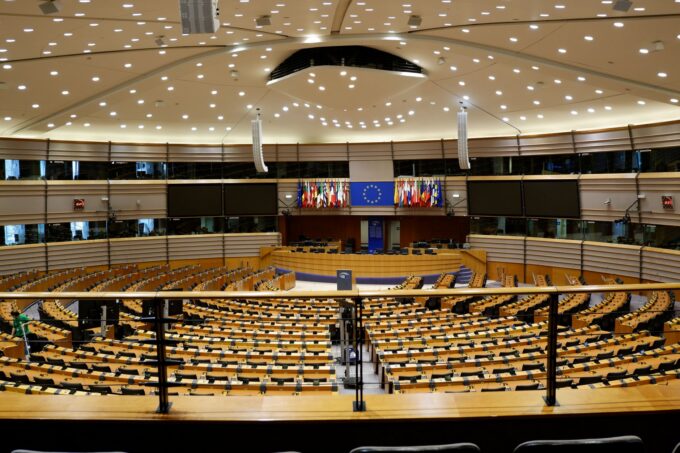
Ireland Enacts Legislation Prohibiting Goods from Israeli Settlements
Ireland's new law banning imports from Israeli settlements signals a significant shift...
1 Mins read

Egypt’s National Coach Calls for Global Solidarity with Palestinians Ahead of World Cup Match
The call for solidarity highlights the intersection of sports and global politics...
1 Mins read
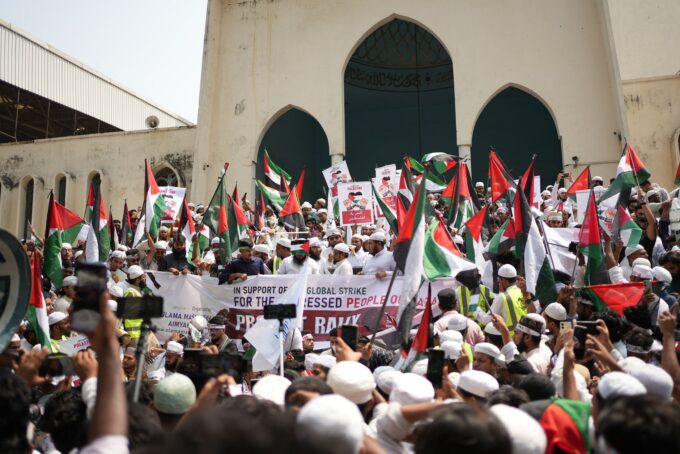


Hamas Dissolves Governing Body, Leaving Gaza’s Future Uncertain
The dissolution of Hamas's governing body raises critical questions about Gaza's political...
1 Mins read
