
U.S. Denies Visas to Palestinian Officials Ahead of U.N. General Assembly

MIAMI — September 17, 2026
In a significant geopolitical development, the United States has denied visas to several Palestinian officials, including President Mahmoud Abbas, ahead of the United Nations General Assembly (UNGA) scheduled for later this month. This decision has sparked widespread criticism and raised questions about U.S. foreign policy towards the Palestinian leadership and the broader Middle East peace process.
The visa denials were confirmed on September 17, 2026, as the U.N. General Assembly prepares to convene in New York City from September 19 to 26. The U.S. State Department has not publicly detailed the reasons for the visa denials, but this action is consistent with previous instances where Palestinian leaders have faced similar restrictions.
President Mahmoud Abbas, who has been a central figure in Palestinian politics for over a decade, was expected to address the assembly, where he would likely discuss the ongoing Israeli-Palestinian conflict and seek international support for Palestinian statehood. The denial of his visa not only prevents him from participating in this crucial forum but also signals a potential shift in U.S. engagement with Palestinian leadership.
This development is particularly noteworthy given the backdrop of escalating tensions in the region and ongoing debates about U.S. policy in the Middle East. The U.S. has historically played a significant role in mediating peace talks between Israel and the Palestinians, but recent years have seen a decline in direct engagement, particularly under the current administration.
Critics of the visa denial argue that it undermines the U.S.’s credibility as a mediator in the peace process and could exacerbate tensions between Israel and the Palestinians. The Palestinian Authority has expressed outrage over the decision, viewing it as a deliberate attempt to isolate their leadership on the international stage.
As the U.N. General Assembly approaches, the implications of this decision are profound. It raises questions about the future of U.S.-Palestinian relations and the potential for renewed dialogue. The absence of Palestinian officials at the assembly could diminish the visibility of their plight and reduce opportunities for garnering international support.
Looking ahead, it remains to be seen how this development will affect the dynamics at the U.N. General Assembly and whether it will prompt any changes in U.S. policy towards the Palestinian territories. Observers will be closely monitoring any responses from the Palestinian Authority and the international community, particularly from nations that have historically supported Palestinian statehood.
In conclusion, the U.S. denial of visas to Palestinian officials, including President Abbas, is a critical moment in U.S.-Middle East relations, with potential ramifications for the peace process and the broader geopolitical landscape.
Source: arabtimesonline.com






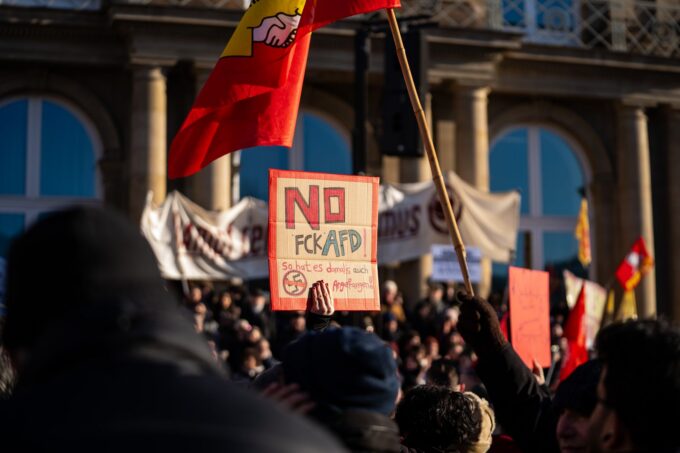
Far-Right AfD Party Secures Victory in Mecklenburg-Western Pomerania Elections
The far-right Alternative for Germany (AfD) party has won the state elections...
 2 Mins read
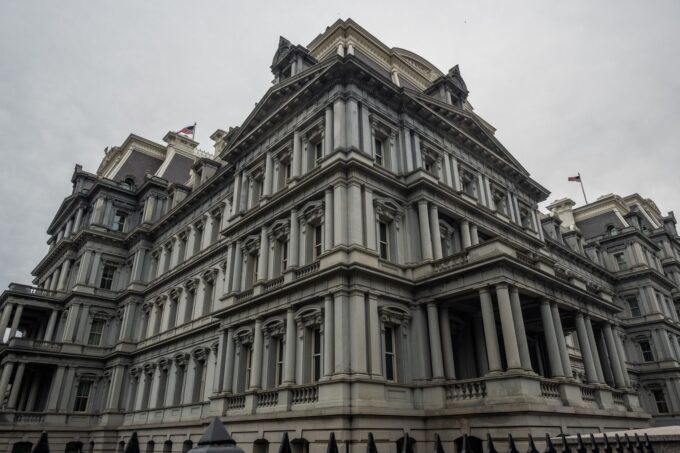
Trump Orders Creation of White House Board to Oversee NIH Grants
The establishment of a White House board for NIH grant approvals marks...
2 Mins read

Trump’s Directive to Establish Health Funding Board Signals Shift in NIH Oversight
The formation of a health funding board with veto power over 'woke'...
2 Mins read



Russia’s Ruling Party Secures Victory in Wartime Election Amid Drone Strikes
The ruling party in Russia has won a significant election amidst ongoing...
2 Mins read

Leave a comment