
U.S. Removes Venezuela from Drug-Failure List, Keeping Colombia on It
MIAMI — September 17, 2026
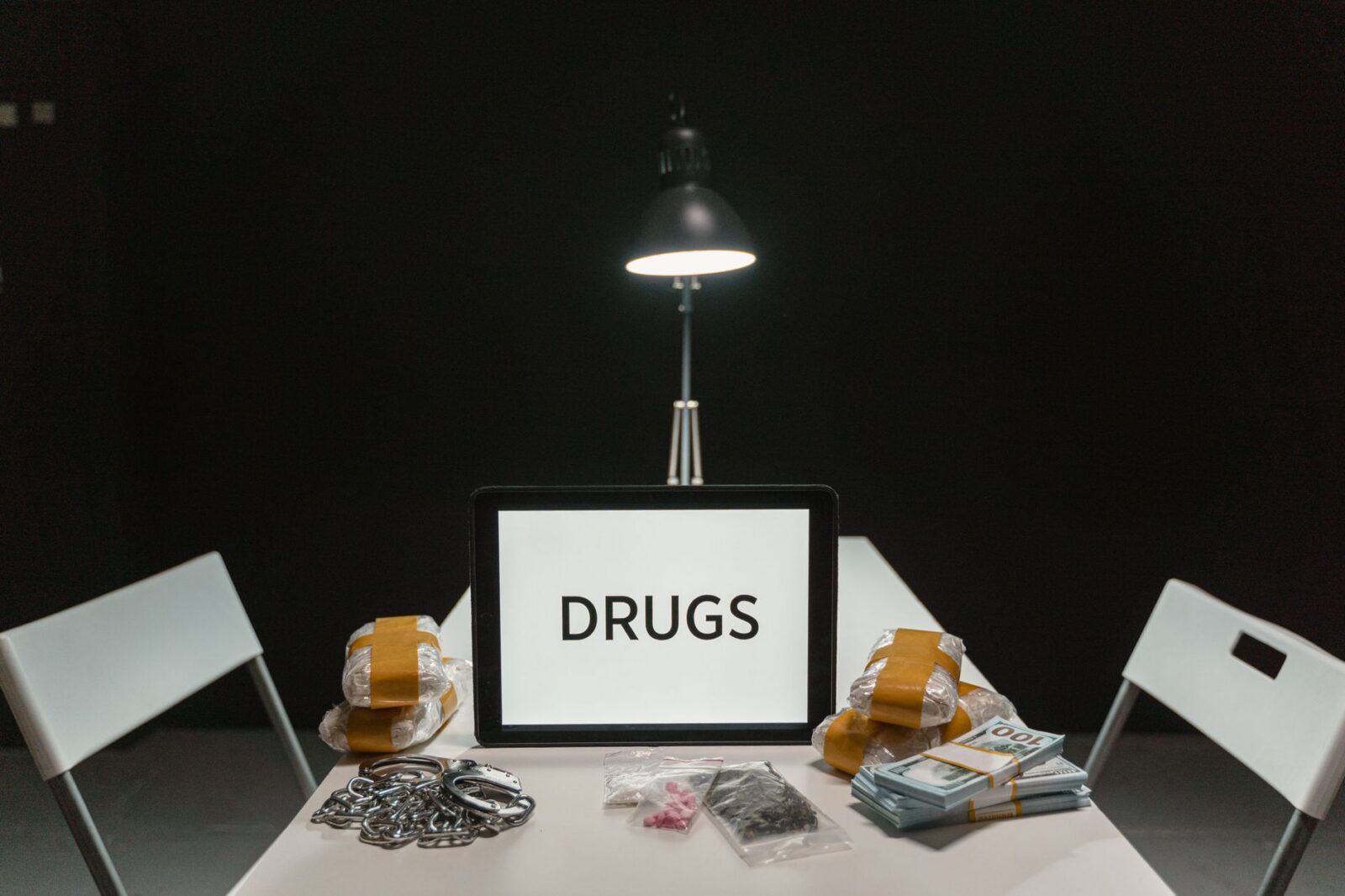
In a notable shift in U.S. foreign policy, President Donald Trump announced on September 17, 2026, that Venezuela has been removed from the list of countries deemed to be failing in their efforts to combat drug trafficking. This decision comes as part of the annual review of the U.S. State Department’s drug certification process, which assesses the cooperation of foreign governments in combating narcotics.
Venezuela’s removal from this list is particularly significant given the longstanding tensions between the U.S. and the Venezuelan government, led by President Nicolás Maduro. The decision has raised eyebrows, especially as Colombia remains on the list, highlighting a perceived inconsistency in U.S. drug policy in the region.
The U.S. State Department’s drug-failure list is a critical tool that influences international relations and foreign aid. Countries that are listed may face sanctions or reduced assistance from the U.S. government. By removing Venezuela from this list, the Trump administration appears to be signaling a potential thaw in relations with Caracas, although the motivations behind this decision remain unclear.
This development follows years of allegations against the Maduro regime regarding its involvement in drug trafficking and the facilitation of narcotics operations. Critics argue that the Venezuelan government has turned a blind eye to drug cartels operating within its borders, while supporters claim that the U.S. has used these allegations as a political tool to undermine the Maduro administration.
The decision is receiving attention now due to its implications for U.S.-Latin America relations, particularly in the context of ongoing discussions about drug policy reform and regional security. The contrasting treatment of Venezuela and Colombia raises questions about the U.S. approach to combating drug trafficking and its broader geopolitical strategy in Latin America.
Locally, this shift may affect Miami, a key hub for drug trafficking and a city with deep ties to both Venezuela and Colombia. Nationally, it could influence the discourse around drug policy and foreign relations, particularly as the U.S. approaches the next election cycle.
Looking ahead, the ramifications of this decision could unfold in several ways. Analysts suggest that it may lead to increased diplomatic engagement between the U.S. and Venezuela, although significant hurdles remain, including the Maduro government’s human rights record and its ongoing economic crisis. Conversely, Colombia may seek to strengthen its ties with the U.S. in response to being left on the drug-failure list, potentially leading to increased military and financial support.
As the situation develops, stakeholders in both countries will be closely monitoring the impact of this policy shift on regional stability and drug trafficking dynamics.
Source: intellinews.com







Shooting of Venezuelan Man by ICE Officer in Austin Raises Public Safety Concerns
The shooting incident involving a Venezuelan man by an ICE officer in...
 1 Mins read
Venezuela Extradites 18 Suspects in Assassination of Haiti’s President to the U.S.
The extradition of suspects in the assassination of Haiti's president marks a...
2 Mins read

Human Rights Watch Calls on Venezuela to Uphold Basic Rights and Release Political Prisoners
The international human rights organization urges the Venezuelan government to protect fundamental...
2 Mins read


A Glimmer of Hope: The Partial Unblocking of Media Domains in Venezuela
In a recent move, Venezuela's government has unblocked a small percentage of...
2 Mins read

Leave a comment