

The Resurgence of Dialogue
The political landscape in Venezuela is undergoing a notable transformation, as recent developments indicate a renewed commitment to dialogue between the interim government and the National Assembly of 2015. The United States has expressed its approval of this initiative, viewing it as a pivotal step towards a structured transition following the tumultuous years marked by civil unrest and political strife.
A Three-Phased Approach
According to Thomas Pigott, a spokesperson for the U.S. Department of State, this dialogue is integral to a well-defined three-phase plan aimed at stabilizing Venezuela. This plan encompasses essential elements such as economic recovery, political reconciliation, and the eventual organization of democratic elections. The U.S. government’s support underscores its commitment to fostering a more democratic environment in Venezuela, which has faced prolonged hardships over the last decade.
Leadership Engagement
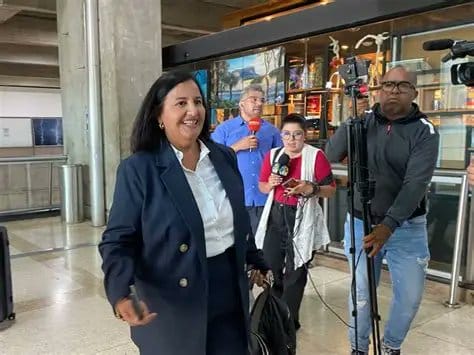
Central to this dialogue are key figures such as Jorge Rodríguez, the president of Venezuela’s National Assembly, and opposition leader Dinorah Figuera. Their recent conversations signal a willingness to collaborate on critical issues, including the urgent needs arising from recent natural disasters that have devastated parts of the country. The discussions not only aim to promote a democratic transition but also highlight the immediate humanitarian concerns affecting thousands of Venezuelans.

Humanitarian Efforts in Focus
In the wake of catastrophic earthquakes in June, which led to significant loss of life and displacement, both leaders have agreed to prioritize the needs of the affected populations. This alignment on humanitarian issues may serve as a foundation for broader discussions on governance and stability. The U.S. has reiterated its support for Venezuelan-led initiatives to address these pressing needs, reinforcing the notion that a humanitarian approach is essential in any political dialogue.
Commitment to Democratic Values
The United States remains steadfast in its commitment to support democratic institutions and enhance political freedoms in Venezuela. The dialogue process is framed as an inclusive and effective endeavor, with clear and measurable objectives that aim to establish a more stable and prosperous future for the Venezuelan people. With confidence in the potential outcomes, the U.S. government anticipates that these efforts will yield meaningful results for the Venezuelan populace.
Looking Forward
As the leaders prepare for their first in-person meeting in Caracas, anticipation builds around the potential breakthroughs that could emerge from this renewed dialogue. While the specifics remain to be determined, the collective focus on democratic transition and humanitarian aid represents a significant turning point in Venezuela’s journey towards recovery and stability.
The outcome of these discussions and the U.S. involvement could not only reshape Venezuela’s political future but also serve as a model for diplomatic engagement in similar contexts worldwide. The commitment to dialogue, if sustained and effectively managed, could pave the way for a brighter and more democratic Venezuela.
Editorial note: This article was created by A Bit Lavish Miami’s Magazine as an original editorial reinterpretation based on publicly available reporting. Original source: efectococuyo.com. Read the original article here: https://efectococuyo.com/internacionales/eeuu-confia-en-el-dialogo-venezolano-para-avanzar-en-su-plan-de-transicion-de-tres-fases/.
Images are used for editorial reference with source credit. If an image requires correction or removal, please contact A Bit Lavish.








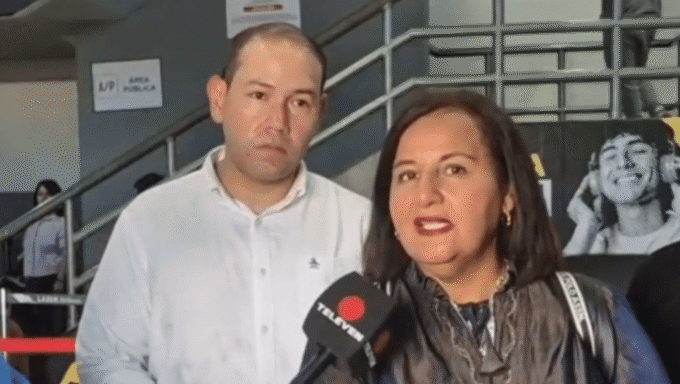
Dinorah Figuera: A Vision for Venezuela’s Institutional Renaissance
Dinorah Figuera returns to Venezuela with a commitment to reinstitutionalization, aiming to...
 2 Mins read
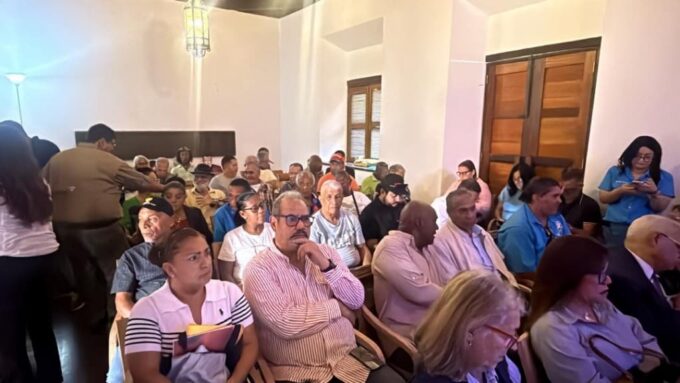
Vargas: Un Camino hacia la Reconstrucción Sostenible
Un análisis sobre el reciente acuerdo en Vargas para la reconstrucción post-sísmica,...
3 Mins read
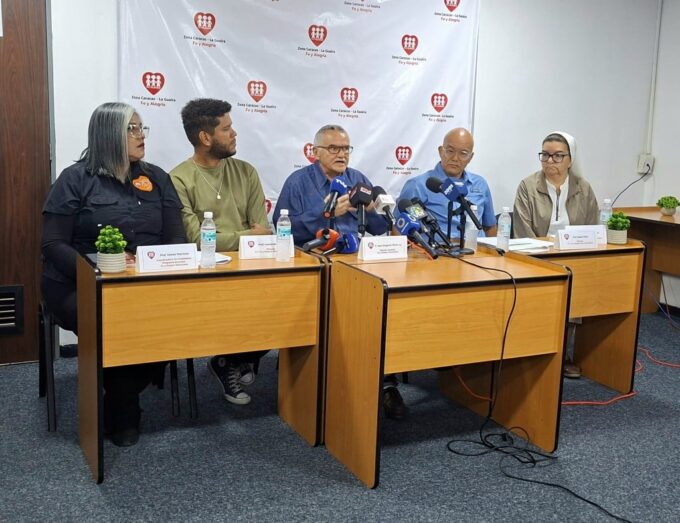
Resilience Amidst Ruin: The Aftermath of Caraballeda’s Earthquake
Exploring the heart-wrenching impact of the recent earthquake on the educational community...
 ABL2 Mins read


Navigating the Waters of Dialogue: Venezuela’s Political Landscape in Flux
As Venezuela's political factions prepare for a critical dialogue, the return of...
ABL3 Mins read

Leave a comment