
Dalit-Christians Demand Equal Affirmative Action in India
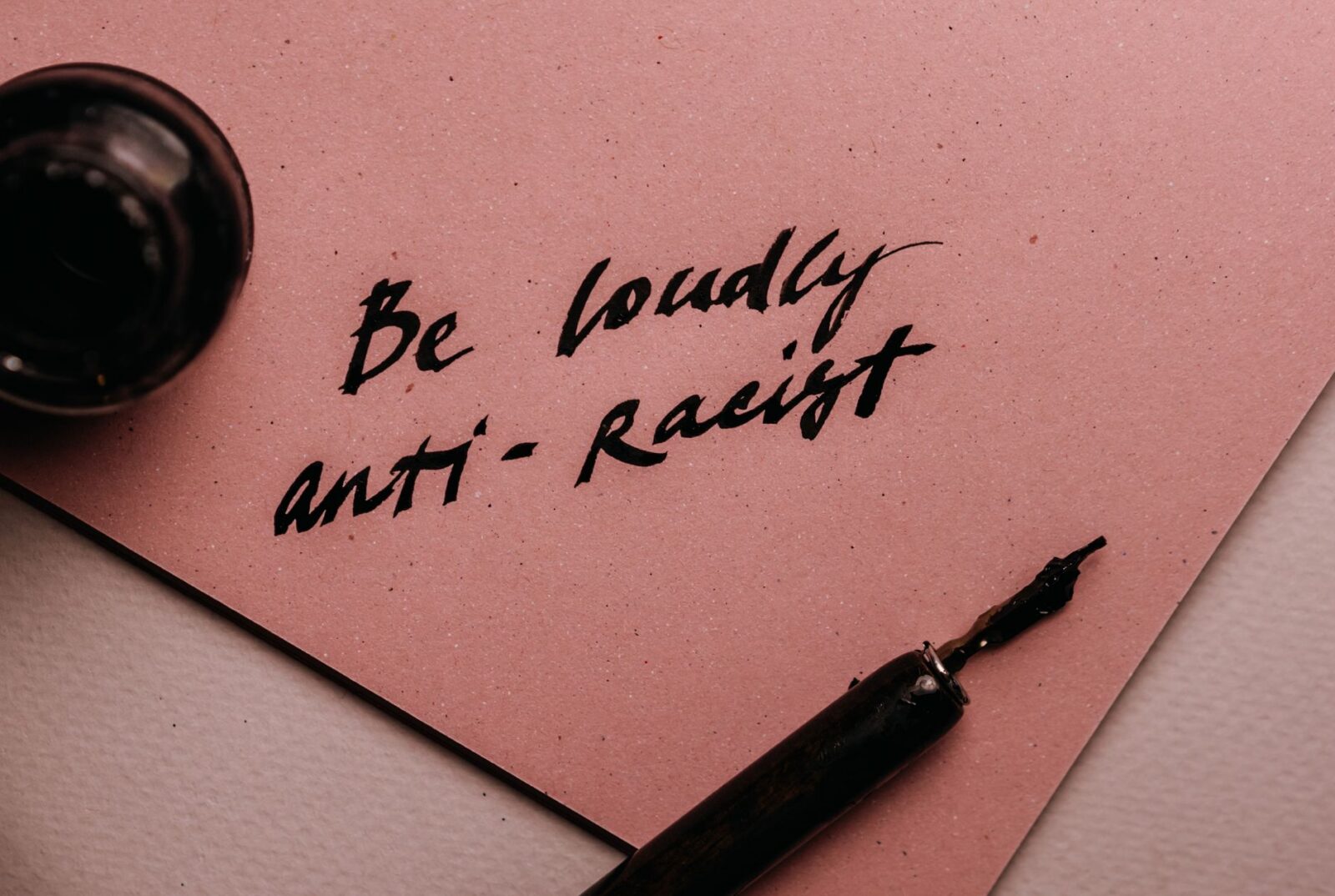
On July 8, 2026, Dalit-Christian groups in India have intensified their advocacy for equal affirmative action, urging the Indian government to extend the benefits currently afforded to Scheduled Castes and Scheduled Tribes to include Dalit-Christians. This demand comes amid ongoing discussions surrounding social justice and the rights of marginalized communities in India, highlighting the complexities of caste and religion within the country’s socio-political landscape.
The movement is spearheaded by various Dalit-Christian organizations, which argue that despite their historical and social marginalization, Dalit-Christians have not been granted the same affirmative action benefits as their Hindu counterparts. This discrepancy is particularly notable in education and employment opportunities, which are critical for socio-economic mobility. The activists assert that the Indian government’s current policies perpetuate inequality and do not adequately address the unique challenges faced by Dalit-Christians.
This issue carries significant weight not only within India but also on the global stage. As nations grapple with questions of equity and inclusion, the plight of Dalit-Christians serves as a poignant example of how caste-based discrimination intersects with religious identity. The implications of this advocacy extend beyond India’s borders, prompting international observers and human rights organizations to reconsider the frameworks of social justice and affirmative action in diverse societies.
Looking ahead, the response from the Indian government will be crucial in shaping the future of affirmative action policies. Should the government choose to expand these benefits to Dalit-Christians, it could set a precedent for other nations dealing with similar issues of minority rights. Conversely, a failure to address these demands may provoke further unrest among marginalized communities, potentially leading to increased calls for reform within India’s socio-political system.
Source: Muslim Network TV








Hamas Dissolves Administrative Body in Gaza Strip
The dissolution of Hamas' administrative body signals potential shifts in governance and...
 1 Mins read
Ireland Enacts Legislation Prohibiting Goods from Israeli Settlements
Ireland's new law banning imports from Israeli settlements signals a significant shift...
1 Mins read

Egypt’s National Coach Calls for Global Solidarity with Palestinians Ahead of World Cup Match
The call for solidarity highlights the intersection of sports and global politics...
1 Mins read


Hamas Dissolves Governing Body, Leaving Gaza’s Future Uncertain
The dissolution of Hamas's governing body raises critical questions about Gaza's political...
1 Mins read

Leave a comment