
Gas Prices Experience Minor Dip Amid Ongoing Russia-Ukraine Conflict
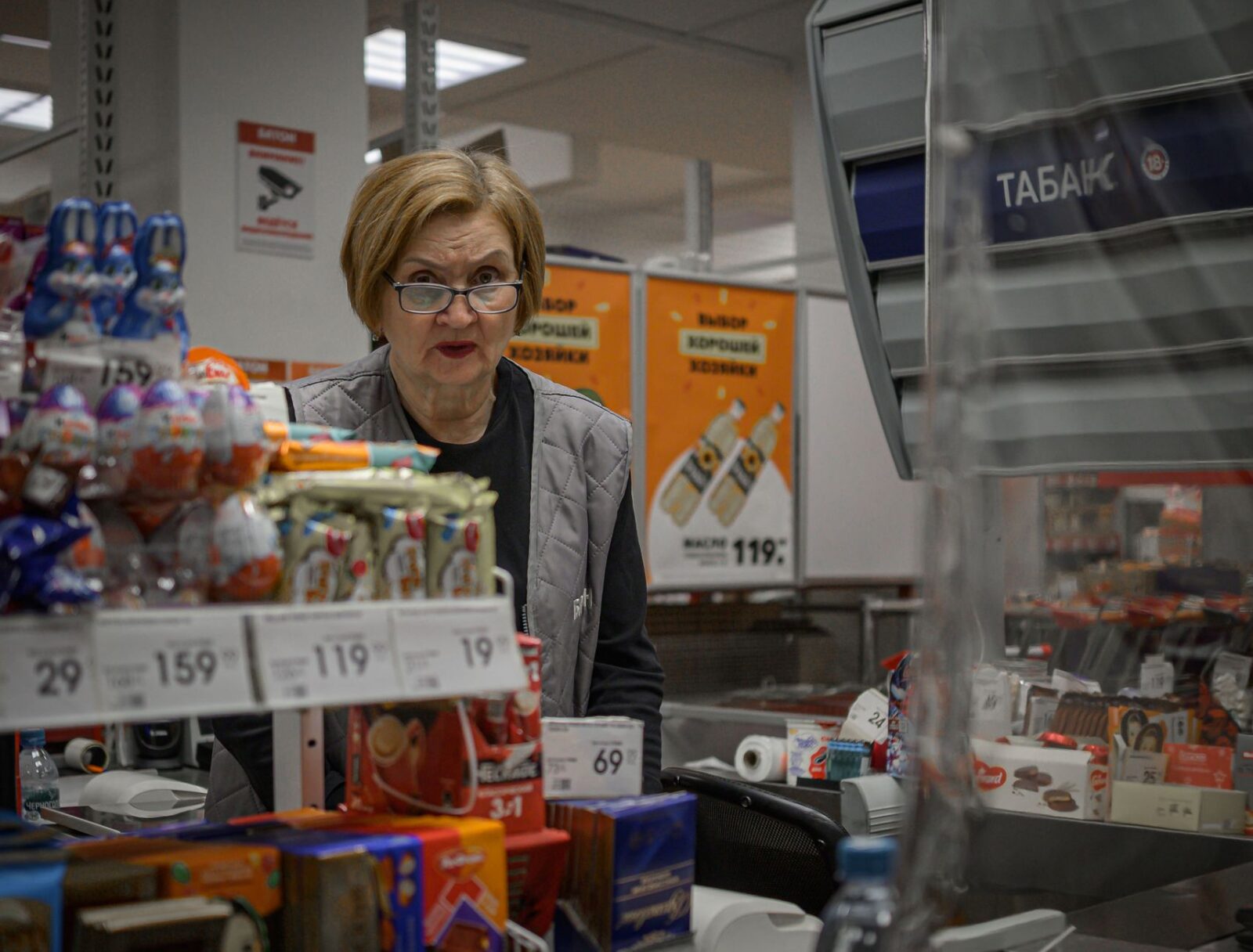
In the latest economic developments, gas prices have dipped slightly as of July 8, 2026, reflecting a complex interplay of market dynamics and geopolitical tensions. Current prices are reported to have decreased by an average of 2% over the past week, a modest relief for consumers and businesses alike. This decline comes amidst ongoing uncertainty stemming from the protracted conflict between Russia and Ukraine, which has significantly influenced energy markets since the outbreak of hostilities in early 2022.
Key players in this situation include major oil-producing nations and organizations such as OPEC, which have been closely monitoring the situation. The war has led to supply disruptions and fluctuating production levels, particularly from Russian sources, which historically have been a major supplier to Europe. As the conflict persists, experts warn that any disruption in oil supply could lead to price volatility, impacting global economies, particularly those heavily reliant on energy imports.
The significance of this development cannot be overstated. The slight decrease in gas prices offers temporary relief but does not mitigate the underlying risks associated with the ongoing war. Economies worldwide are grappling with inflationary pressures exacerbated by energy costs, and any resurgence in prices could lead to broader economic ramifications. Countries in Europe, which have been transitioning away from Russian energy, are particularly vulnerable to these fluctuations.
Looking ahead, analysts suggest that if the conflict escalates or if sanctions against Russia are intensified, we could witness a sharp rebound in gas prices. Furthermore, the global shift towards alternative energy sources may accelerate as nations seek to reduce dependency on unstable regions. The current situation underscores the critical need for energy diversification and strategic planning to safeguard against future disruptions.
Source: WMUR








Hamas Dissolves Administrative Body in Gaza Strip
The dissolution of Hamas' administrative body signals potential shifts in governance and...
 1 Mins read
Ireland Enacts Legislation Prohibiting Goods from Israeli Settlements
Ireland's new law banning imports from Israeli settlements signals a significant shift...
1 Mins read

Egypt’s National Coach Calls for Global Solidarity with Palestinians Ahead of World Cup Match
The call for solidarity highlights the intersection of sports and global politics...
1 Mins read



Hamas Dissolves Governing Body, Leaving Gaza’s Future Uncertain
The dissolution of Hamas's governing body raises critical questions about Gaza's political...
1 Mins read

Leave a comment