
IRGC Targets Two Vessels in Strait of Hormuz, Undermining Trump’s Iran Peace Deal
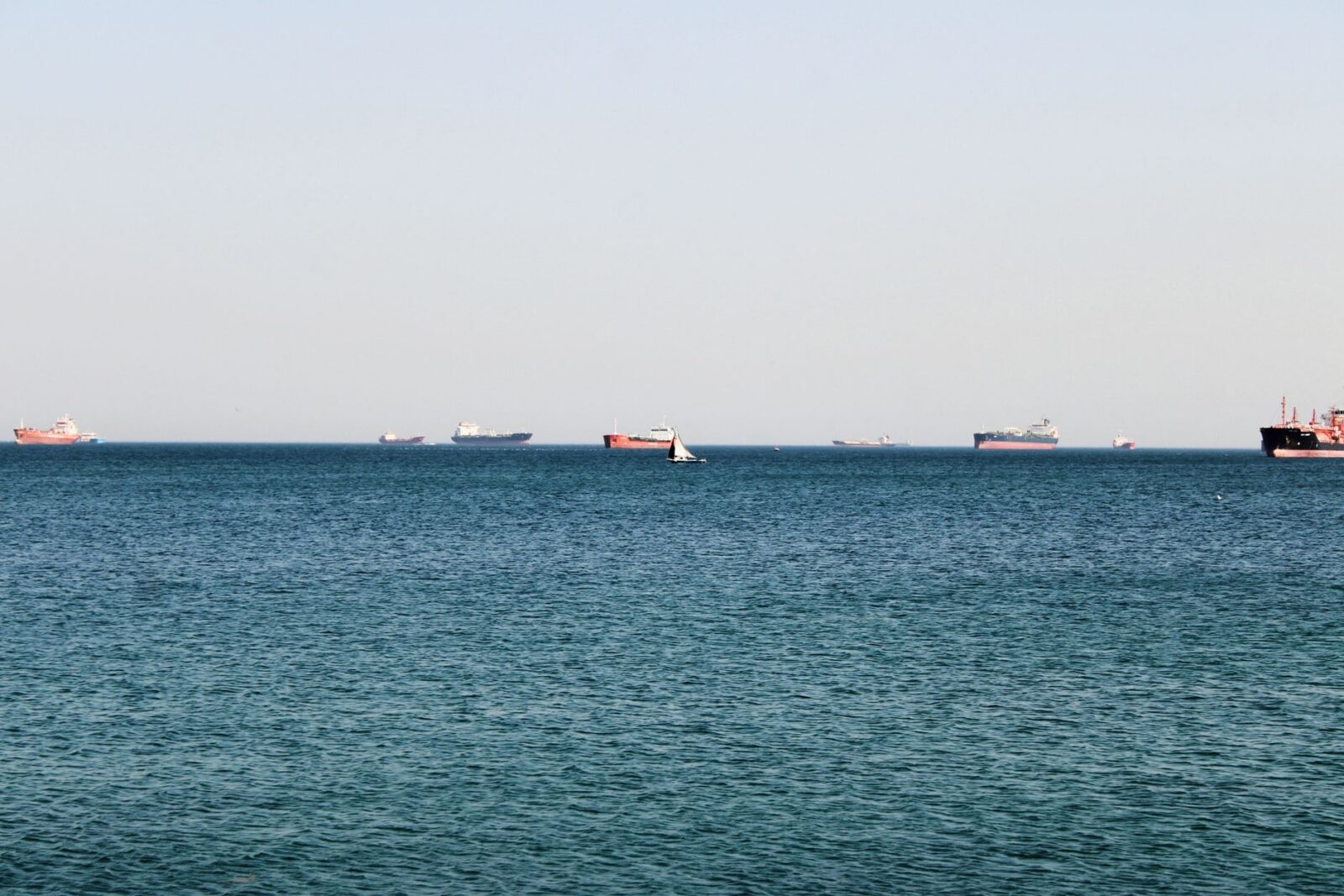
On July 7, 2026, the Islamic Revolutionary Guard Corps (IRGC) launched attacks on two vessels in the Strait of Hormuz, a pivotal maritime chokepoint that handles approximately 20% of the world’s oil supply. The targeted vessels were reportedly a commercial tanker and a cargo ship, raising immediate concerns over the safety of maritime operations in the region.
The incidents come amid ongoing tensions between Iran and the United States, particularly in light of the Trump administration’s 2025 Iran peace deal aimed at stabilizing relations and curbing Tehran’s nuclear ambitions. The strikes by the IRGC not only challenge the effectiveness of this diplomatic agreement but also signal a potential escalation in Iran’s assertiveness in the region.
This development is particularly significant for global markets, as any disruption in the Strait of Hormuz could lead to increased oil prices and heightened volatility in energy markets. The region’s instability has far-reaching implications, affecting not only oil-dependent economies but also global supply chains that rely on secure maritime routes.
In the aftermath of these attacks, the international community, including major stakeholders such as the United States, European Union, and Gulf Cooperation Council, must navigate a complex landscape of diplomacy and security. The possibility of retaliatory measures from the U.S. or coalition allies could lead to further military engagement, exacerbating tensions. Analysts suggest that the situation warrants close monitoring, as the potential for conflict in the Strait of Hormuz could redefine geopolitical alliances and energy strategies worldwide.
Source: Benzinga








Hamas Dissolves Administrative Body in Gaza Strip
The dissolution of Hamas' administrative body signals potential shifts in governance and...
 1 Mins read
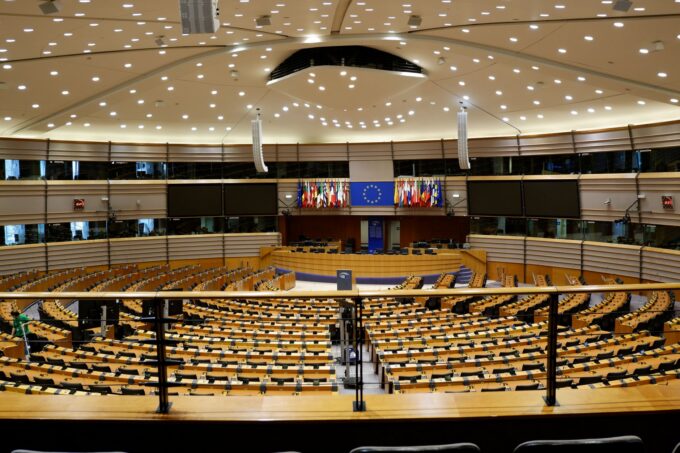
Ireland Enacts Legislation Prohibiting Goods from Israeli Settlements
Ireland's new law banning imports from Israeli settlements signals a significant shift...
1 Mins read
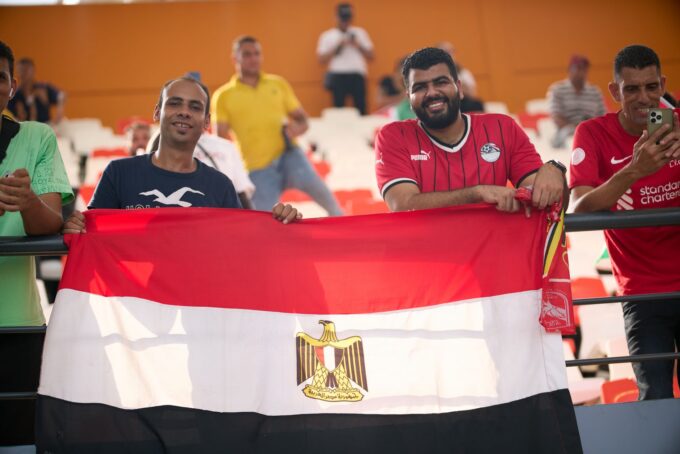
Egypt’s National Coach Calls for Global Solidarity with Palestinians Ahead of World Cup Match
The call for solidarity highlights the intersection of sports and global politics...
1 Mins read
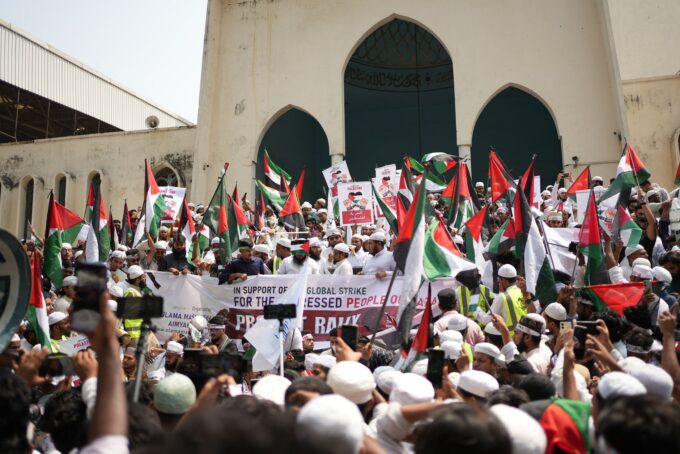


Hamas Dissolves Governing Body, Leaving Gaza’s Future Uncertain
The dissolution of Hamas's governing body raises critical questions about Gaza's political...
1 Mins read

Leave a comment