
Michael Steele Critiques Trump’s Latest White House Construction Plans

On July 8, 2026, Michael Steele, the former chair of the Republican National Committee, publicly condemned Donald Trump’s latest construction project at the White House, which has sparked significant debate about its implications for national priorities. Steele criticized the project as a misallocation of resources, suggesting that the funds could be better spent addressing pressing issues such as inflation and social services, which are currently affecting millions of Americans.
This construction initiative, which is reportedly aimed at enhancing the White House’s aesthetic and functionality, is estimated to cost upwards of $50 million. Critics, including Steele, argue that this expenditure comes at a time when the U.S. economy is grappling with high inflation rates, currently hovering around 5.2%, and increasing public discontent regarding government spending. Steele’s remarks highlight a growing concern among political analysts and economists about the Trump administration’s priorities in the context of fiscal responsibility.
The significance of this critique extends beyond domestic politics. As global markets react sensitively to American fiscal policies, the implications of such projects could reverberate internationally. Investors and foreign governments closely monitor U.S. spending, particularly when it appears misaligned with urgent socio-economic needs. Steele’s comments may embolden other political figures and analysts to scrutinize the administration’s choices, potentially influencing public opinion and future policy decisions.
Looking ahead, if the backlash against the construction project gains momentum, it could force the Trump administration to reassess its approach to infrastructure spending. This could lead to a broader discussion about government priorities and accountability in the face of economic challenges, shaping the political landscape as the 2026 midterm elections approach.
Source: Modern Ghana








Hamas Dissolves Administrative Body in Gaza Strip
The dissolution of Hamas' administrative body signals potential shifts in governance and...
 1 Mins read
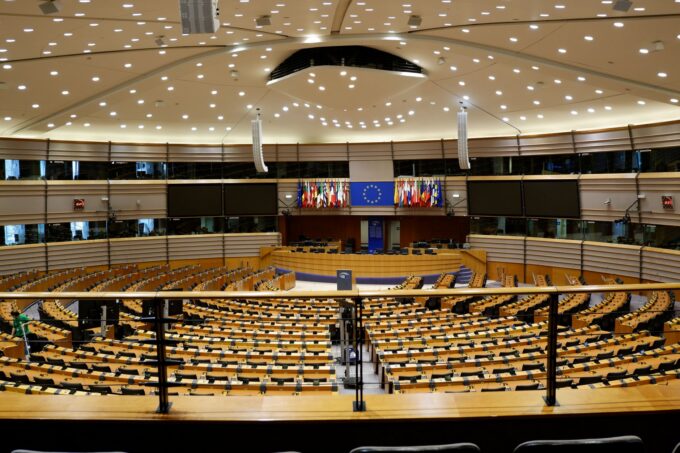
Ireland Enacts Legislation Prohibiting Goods from Israeli Settlements
Ireland's new law banning imports from Israeli settlements signals a significant shift...
1 Mins read

Egypt’s National Coach Calls for Global Solidarity with Palestinians Ahead of World Cup Match
The call for solidarity highlights the intersection of sports and global politics...
1 Mins read
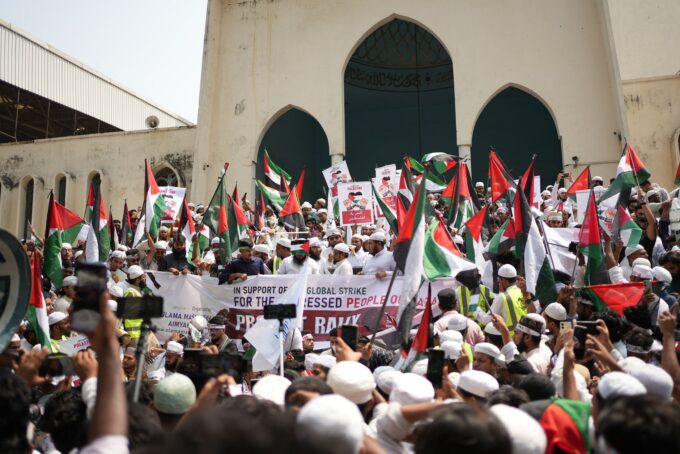


Hamas Dissolves Governing Body, Leaving Gaza’s Future Uncertain
The dissolution of Hamas's governing body raises critical questions about Gaza's political...
1 Mins read

Leave a comment