
Swiss Glaciers Face Catastrophic Ice Loss Amid Climate Crisis
GENEVA — October 1, 2026
Switzerland’s glaciers are undergoing unprecedented ice loss, marking what experts are calling a catastrophic year for glacier melt. This alarming development highlights the urgent implications of climate change, not only for the environment but also for the luxury tourism industry that thrives in the Swiss Alps.
Recent reports indicate that Swiss glaciers have lost an astonishing amount of ice, with estimates suggesting a reduction of up to 10% in volume over the past year alone. This significant melt is attributed to a combination of rising global temperatures and changing weather patterns, which have resulted in warmer winters and hotter summers. The Swiss Federal Office of Meteorology and Climatology (MeteoSwiss) has been closely monitoring these changes, emphasizing that the current rate of ice loss is among the highest recorded in recent history.
The situation is particularly dire for iconic glaciers such as the Aletsch Glacier, which is the largest in the Alps and a UNESCO World Heritage site. The Aletsch has seen a dramatic retreat, with its length decreasing by nearly 1,000 meters over the last decade. This not only affects the natural landscape but also poses risks to local ecosystems and water supplies.
The implications of this ice loss extend beyond environmental concerns. The luxury tourism sector, which significantly contributes to Switzerland’s economy, is at risk. The Swiss Alps attract millions of visitors annually for skiing, hiking, and other outdoor activities. As glaciers recede, the appeal of these destinations may diminish, potentially leading to economic repercussions for local businesses reliant on tourism.
Why is this story receiving heightened attention now? The recent findings coincide with a broader global discourse on climate change, particularly as nations prepare for the upcoming COP28 climate conference. The urgency to address climate issues has never been more pronounced, with scientists and activists calling for immediate action to mitigate the effects of global warming.
This development matters not only locally but also nationally and globally. Switzerland, known for its pristine landscapes and commitment to environmental sustainability, faces a critical juncture. The loss of glaciers could serve as a stark reminder of the broader climate crisis affecting mountainous regions worldwide, prompting calls for international cooperation and policy changes aimed at reducing carbon emissions.
Looking ahead, realistic next steps may include increased investment in sustainable tourism practices and enhanced climate resilience strategies. Local governments and businesses may need to collaborate on initiatives that promote eco-friendly tourism while addressing the challenges posed by climate change. Additionally, Switzerland’s role in international climate negotiations will be scrutinized as the world looks to the country for leadership in environmental stewardship.
Source: The Washington Post






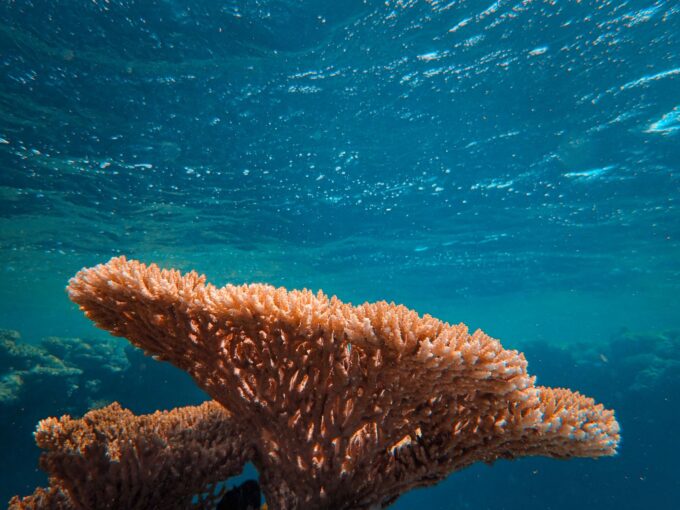
Underwater Umbrellas Show Promise in Combatting Coral Bleaching
Recent findings reveal the effectiveness of underwater umbrellas in reducing coral bleaching,...
 1 Mins read
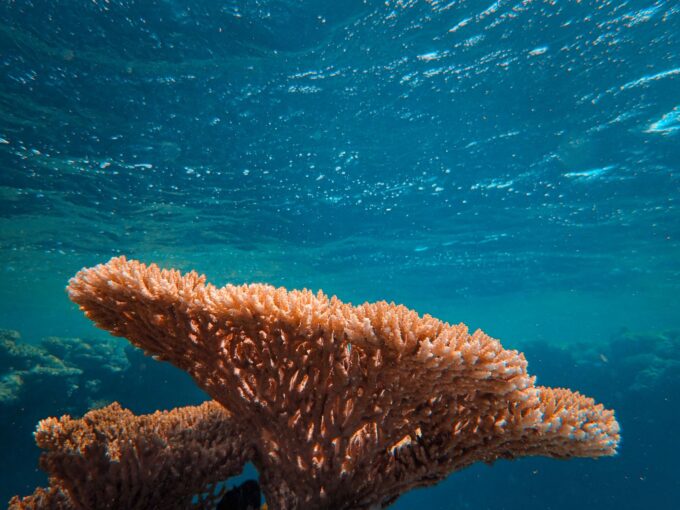
Innovative Underwater Umbrellas Developed to Shield Coral Reefs from Heat Damage
Scientists have unveiled a groundbreaking solution to protect coral reefs from the...
1 Mins read
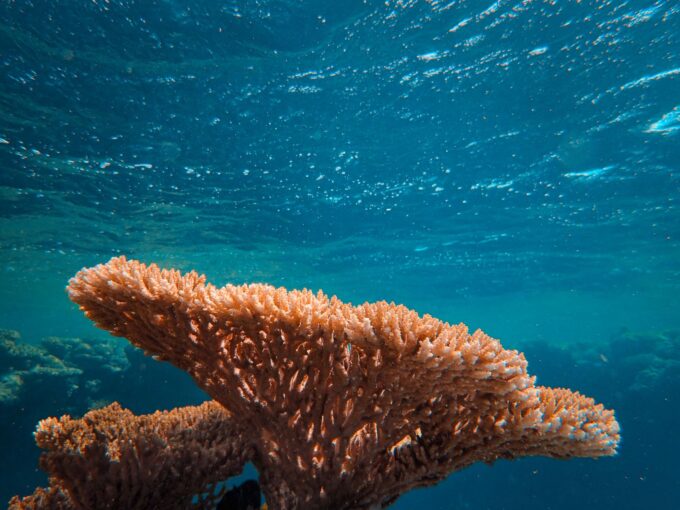
Innovative Underwater Umbrellas: A New Approach to Coral Reef Protection
Recent research reveals underwater umbrellas could shield coral reefs from heat damage,...
1 Mins read
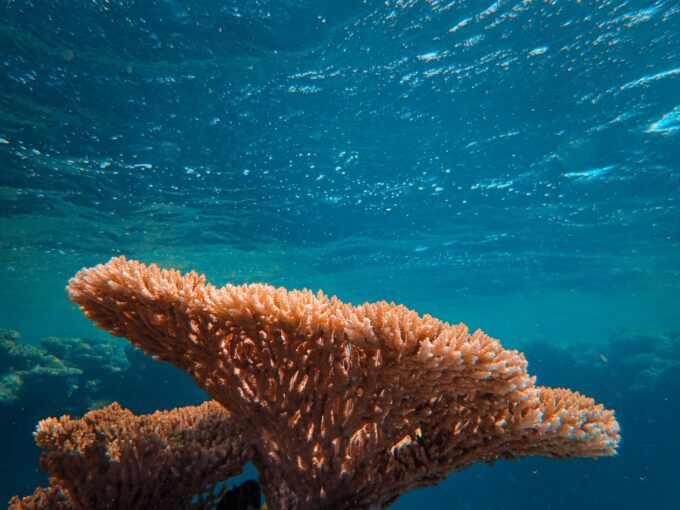


Florida Scientists Develop Underwater Umbrellas to Shield Coral Reefs
A groundbreaking innovation in marine conservation, underwater umbrellas aim to protect coral...
2 Mins read

Leave a comment